


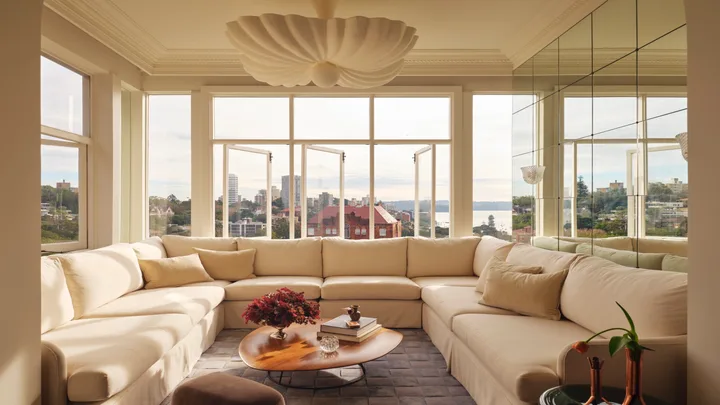
You’ve heard people rave about homes that face north, but have you ever really understood why? Is having north-facing windows really a boon for homeowners? Does it have any tangible impact on your lifestyle? Can a northern orientation actually save you money?
If you ask Smac Studio founder and interior architect Shona McElroy, the answer is yes to all the above. Speaking to Home Beautiful, Shona shared that moving into her north-facing apartment in Sydney has benefited her life “in every way”.
“I believe I’m genuinely happier because I often have the option to go and sit in full sunlight in my living room,” she shared. “My living room is warm and enjoyable to be in even on a cold winter’s day when the sun is peeping through”

Speaking on The Edit podcast, she even went so far to say that, having lived in both north and south-facing homes, the difference is “like you’re in a different country”.
Listen to Shona McElroy on The Edit podcast:
If you’re trying to parse the benefits of a norther aspect, or how to best utilise this home feature, we’ve got a few answers for you.
What does a northern aspect mean?
A home with a northern aspect refers to the direction your windows are facing. So, when you’re looking out your windows, you should be looking to the north. Generally, a real estate agent might say a house is north-facing if the main windows — i.e. those at the front, or those in your living area — are the ones with a northern aspect.
And why do we want that? “It pretty much gets all-day sun and adds brightness to the space,” Shona McElroy summarises.
In fact, there are a range of benefits to having a north-facing house in Australia.
Is a north facing house good in Australia?
Yes, a north facing house is considered ideal in Australia due to the sun’s path offering ideal natural light and warmth. “As the sun tracks from east to west it kind of arcs across to the north, so it’s divine all day long,” Shona explains. “A well-designed Australian home is able to let in the full sun all day long in winter, and just block it out in summer, so you get the brightness, but not the direct heat.”
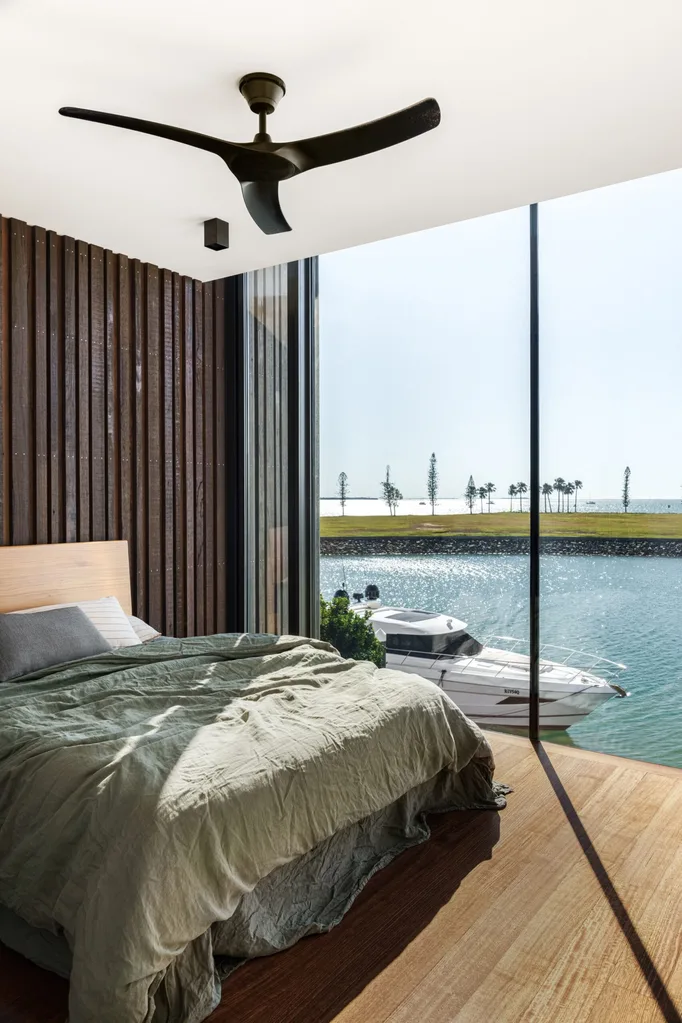
Receiving sunlight throughout the day not only improves your circadian rhythms, but can also reduce your household running costs due to less reliance on artificial light and heating sources.
However, it’s not all good news…
Pros and cons of a northern orientation
| Pros | Cons |
| Optimal bright light | Can be too hot in summer |
| Passive heating in winter | Can fade furniture, flooring, decor or window coverings |
| Can reduce energy bills | May require window glazing or awnings |
| Higher property value |
Main pro: Light and heat
The biggest ‘pro’ of north-facing windows is passive light and heat. As mentioned, the path of the sun delivers its best light and heat to windows that are facing north. In winter, you get the heat from the sun throughout the day, warming up your home without switching on the heater. In summer, the sun is a bit higher, so you will theoretically get less direct heat and light, depending on your property.
The benefits of this will vary depending on your local climate and where you are. In fact, if you’re in the Northern Territory, the sun’s path may not be as low in the north, and you won’t receive the full-day brightness. (However, given the local heat, this may not be such a terrible thing!)
Either way, this not only is great for your lifestyle, it can reduce your energy bills.
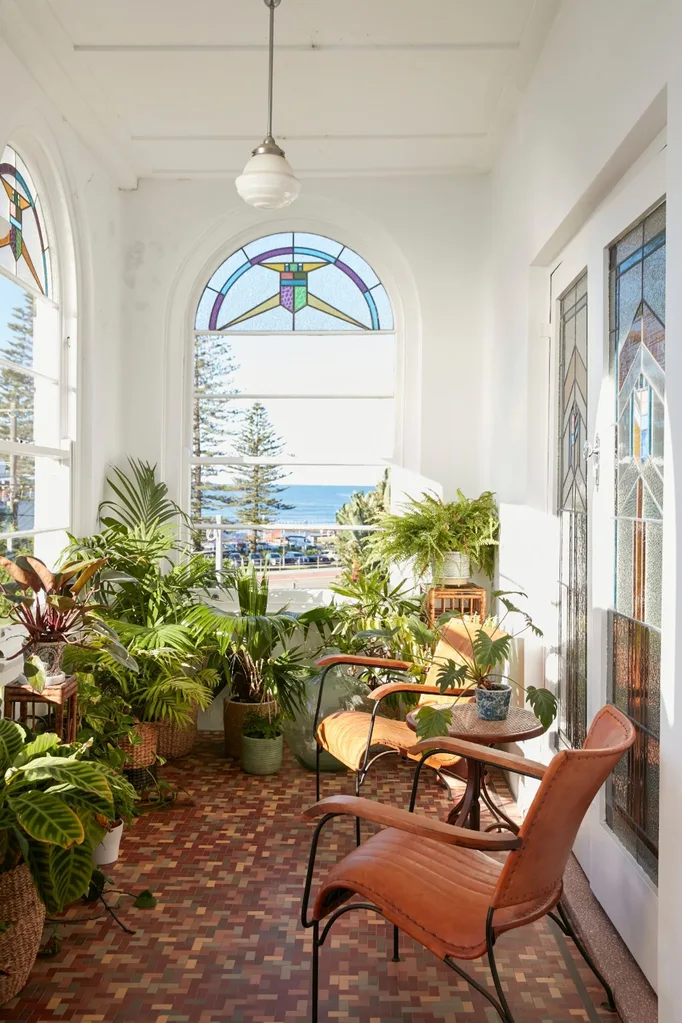
Main con: The unexpected effects of direct heat and light
The main con of a northern aspect is that the sun’s glare can be too hot for some homes, resulting in some personal discomfort and damage to household items. For Shona, the biggest con is that some of her items faded.
“Even the coffee table books. I’ve been in [my home] for maybe a year, and I try and close the blinds as much as possible, but they’re totally faded.”
— Shona McElroy on the cons of a northern aspect
“[It offers] fantastic light… but everything fades. So, I had to have everything really neutral [coloured], and a white sofa and a light rug. Even the coffee table books. I’ve been in there for maybe a year, and I try and close the blinds as much as possible, but they’re totally faded.”
If your windows aren’t well shaded in summer, you may need to invest in glazing or some block-out shades or awnings.
What part of the house should be north facing?
Not all rooms benefit from a northern aspect. Namely, bedrooms, nurseries or other spaces where you want to reduce light. As a rule, the best rooms to have north facing are kitchens and living rooms, where people spend a lot of time and can reap the rewards of this aspect.
“Kitchens and living rooms are always prioritised. A baby’s room or cinema room would benefit from being at a darker aspect.”
— Shona McElroy, interior architect
Watch Shona McElroy on The Edit, or listen wherever you get your podcasts:

