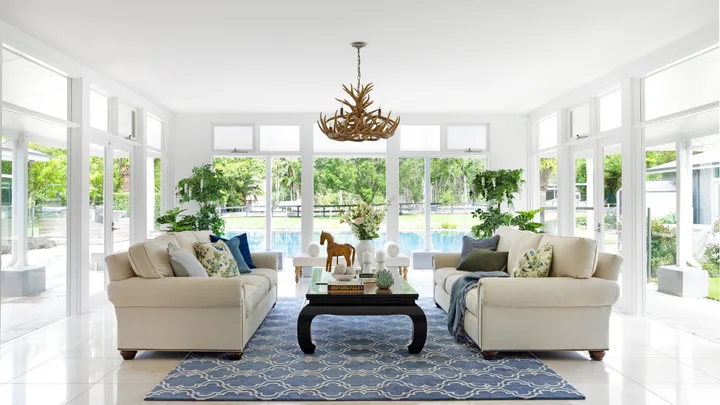
 Photography: Louise Roche / Styling: Kylie Jackes
Seemingly simple, windows are the eyes of your home and something of an unsung hero when it comes to architecture. Replacing tired windows in a renovation can literally breathe in new life and where light and airflow are lacking, the right windows can transform a room into a light-filled, airy zone. There’s definitely a science around getting it right, however, so it’s worth doing the research, asking the experts and taking time with the decisions you make around the location of windows, the materials to use, the size of each opening (because they don’t all need to be the same) and your unique situation – including the climate, size and aspect of your home.
Allowing air flow through open windows adds to the comfort of indoor spaces and, when closed, insulates against changes in weather – helping to manage your energy bills. Windows can also provide privacy and security for your home, reduce noise in busy residential zones and control light to help balance the natural circadian rhythms of the household.
How to choose the right windows for your home
The material your windows are made from should be both an aesthetic and a practical consideration. Collect ideas on your moodboard and draw from examples of inspirational architecture in your local area – particularly buildings that face the same aspect as your home. Download practical guides to familiarise yourself with the properties and benefits of steel windows vs timber or aluminium framing, and look for examples of award-winning designs and sustainable initiatives.
Checklist for choosing the right type of windows
- Frame material
- Glass type
- Placement
- Security
- Energy efficiency
- Noise reduction
- Size and shape
Beyond placement and material choices, the type of window for your home in terms of functionality requires careful thought. Bi-folds are perfect for creating transitional zones between indoors and outdoors, while a louvre window is great for a bedroom or bathroom that can capture seasonal cross breezes and ward off moisture buildup.
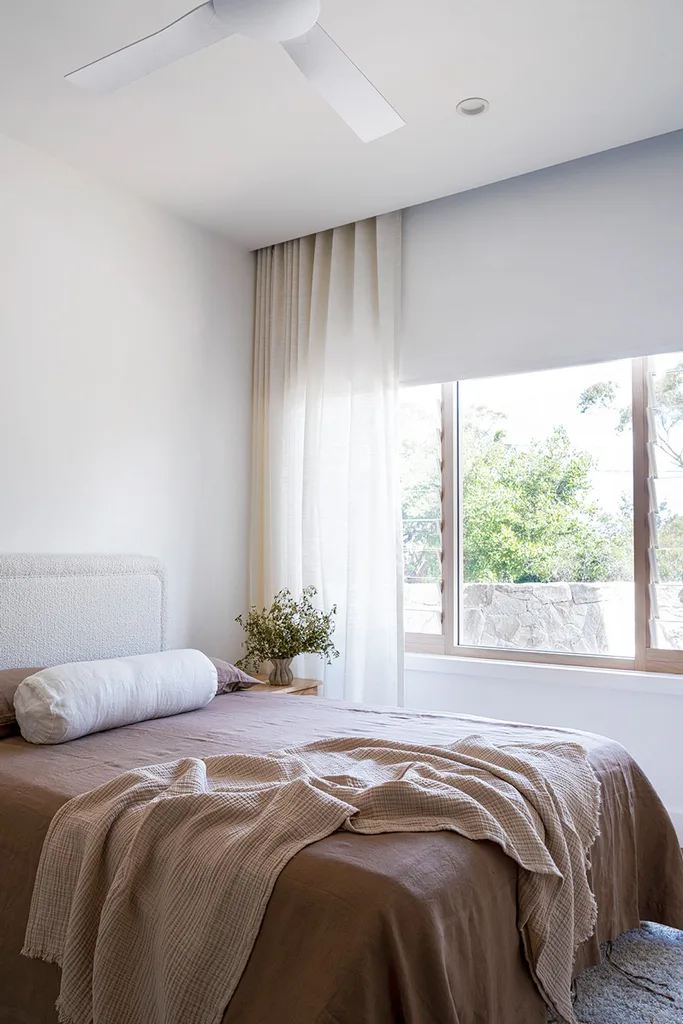
10 window types you need to know about
1. Single-hung windows
Features: One is a fixed pane, and another is a pane that slides up and down.
Best for: Classic style, heritage homes, budget renovations
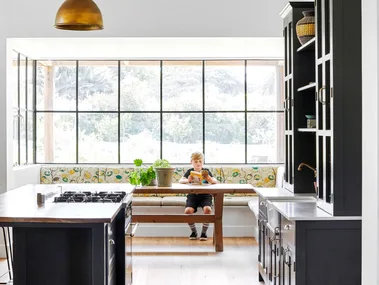
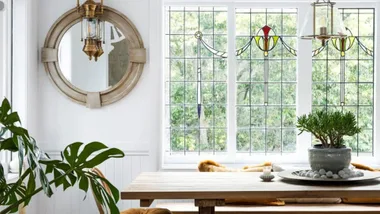
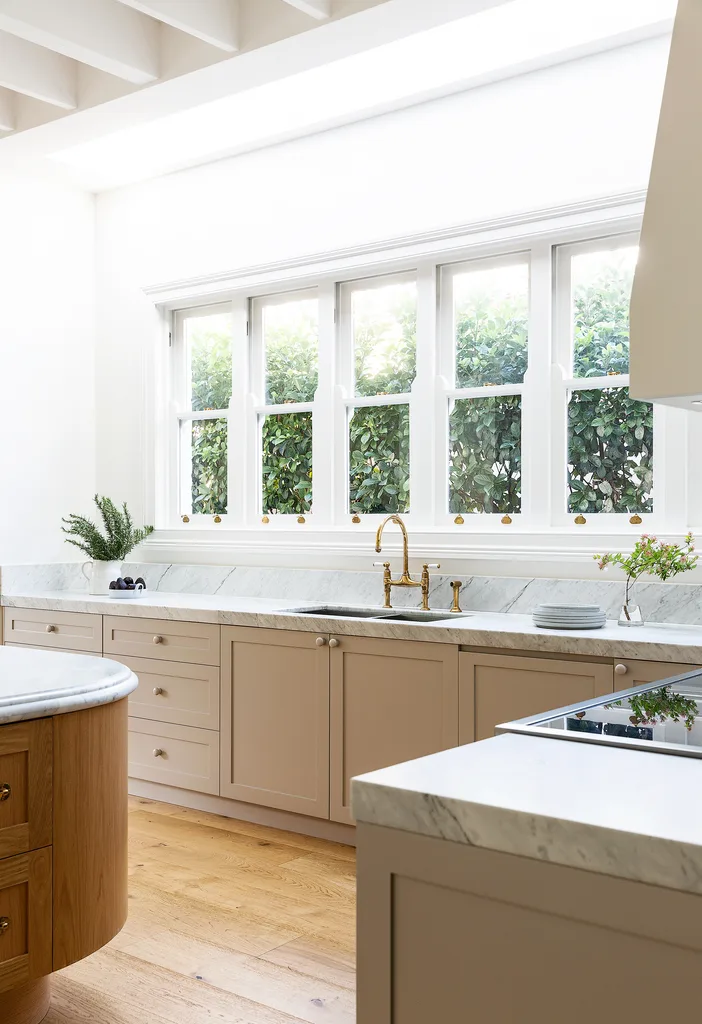
A skylight and sash windows bathe the space in light. Shaker-style cabinets in Dulux Heifer and brass Perrin & Rowe ‘Ionian’ tapware from The English Tapware Company complete a refined look.
2. Double-hung windows
Features: Comprises two moving panes. When the lower pane is raised, the upper pane opens an equal distance.
Best for: Heritage homes, traditional renovations, versatility
3. Bi-fold windows
Features: Multiple panes fold along a track to one side. The opening is almost the size of the entire window or door, maximising access to the outdoors. With multiple sashes, the slimmer the frame profile (or with frameless panels) the clearer the view.
Best for: Servery settings, indoor-outdoor zones, maximising window openings for full air flow
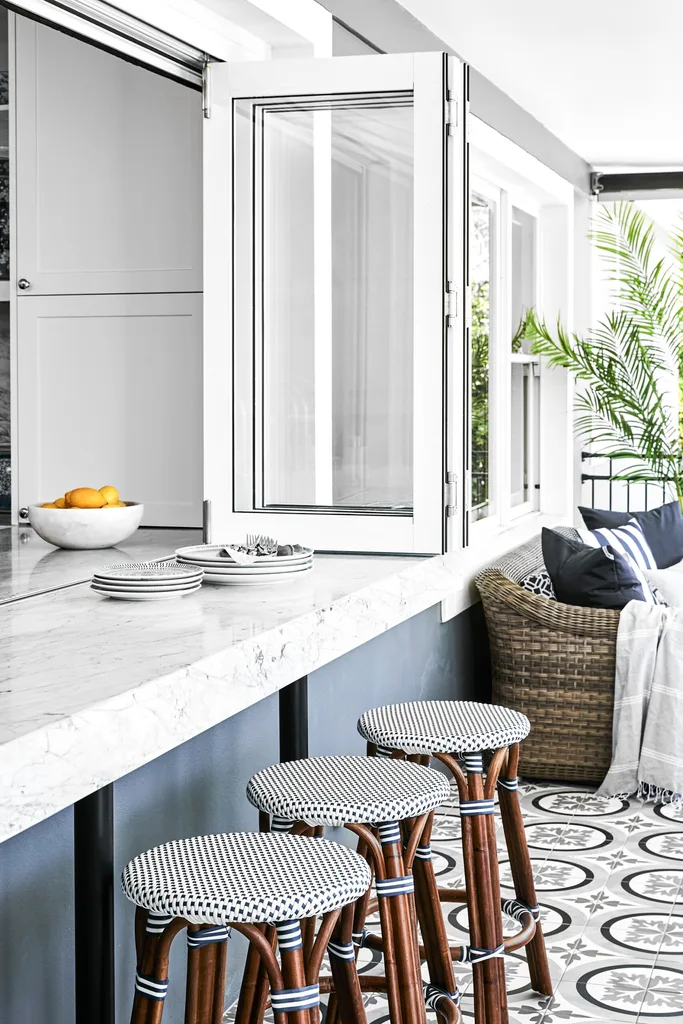
SERVERY BAR A bi-fold window and bench out from the kitchen enhances the natural light and makes a servery bar for effortless outdoor entertaining. The floor tiles are from Industrie Tapware.
4. Servery windows
Features: The lower of two panes lifts to create an opening of nearly half the overall window height.
Best for: Kitchens that connect to an outdoor area.
5. Louvre windows
Features: Horizontal slats that tilt to allow complete control over the level of ventilation.
Best for: Tropical climates, privacy and light control – frosted and etched louvre windows are perfect for bathrooms.
6. Awning windows
Features: Tilts on top hinge to open from the bottom and can be left partly open during wet weather to let in fresh air while keeping out rain.
Best for: Tropical settings, high placements, ventilation in wet weather
7. Casement windows
Features: Classic timber glazing bars and pivots 90 degrees (like a door) to capture breezes.
Best for: Traditional homes, stained glass, maximum ventilation
8. Sliding windows
Features: Slide along a track. Easy operation. The more panels, the wider the opening – but the more obstructed the view. They don’t open completely.
Best for: Contemporary homes, space-saving windows for apartments and small spaces without clearance to open.
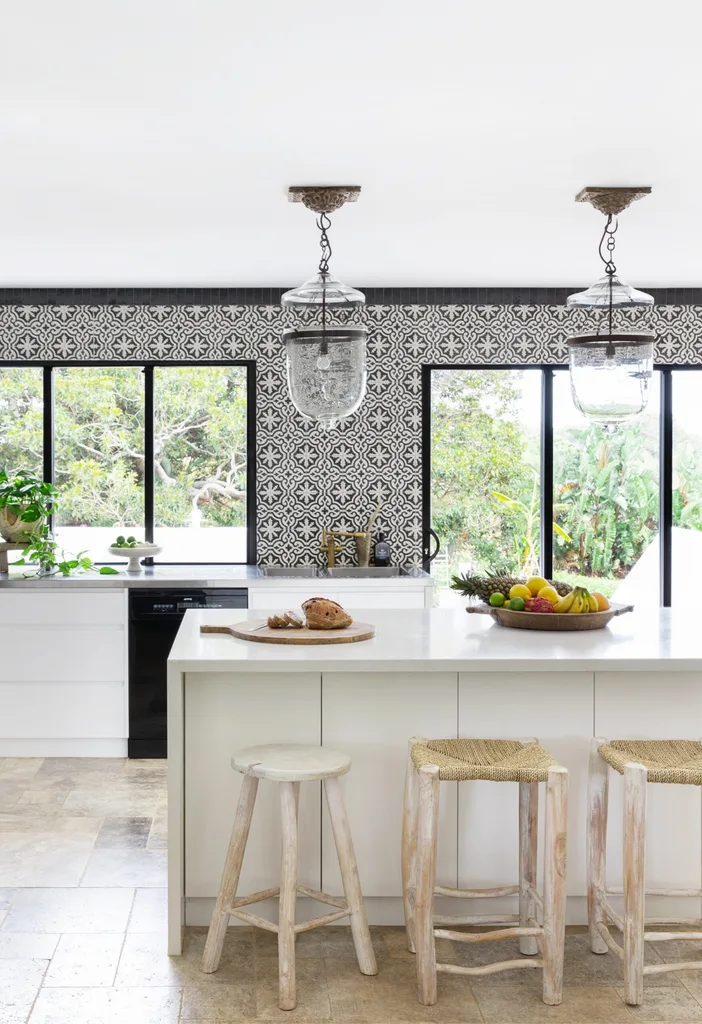
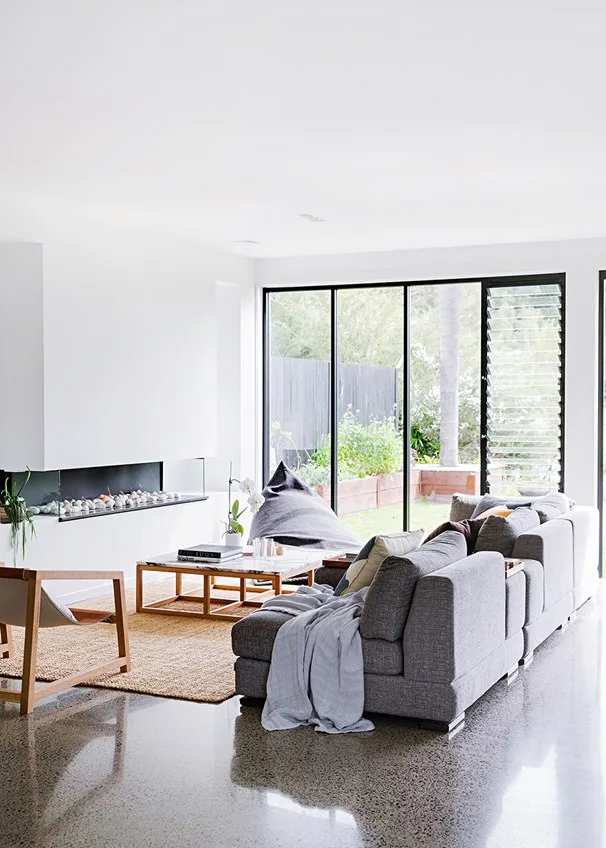
Black-framed windows, with sliding doors open this home to the outdoors and into the verdant backyard. (Photography: Louise Roche / Styling: Kylie Jackes)
(Credit: Photography: Louise Roche / Styling: Kylie Jackes)9. Clerestory windows
Features: High row of windows, often above doors or fixed bank of windows
Best for: Contemporary homes, passive and solar designs, allowing maximum light
10. French doors
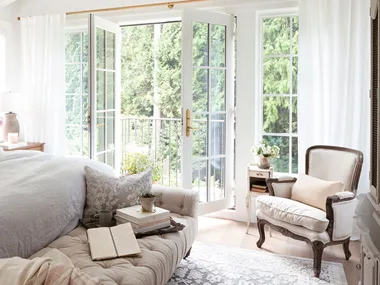
Features: French Doors typically feature four panels that open out from the centre, and traditional colonial or federation-style woodwork. Open just one side in winter or both in summer for access to the garden.
Best for: Perfect for heritage homes – and also useful in internal spaces to close off rooms without impacting the light flow.